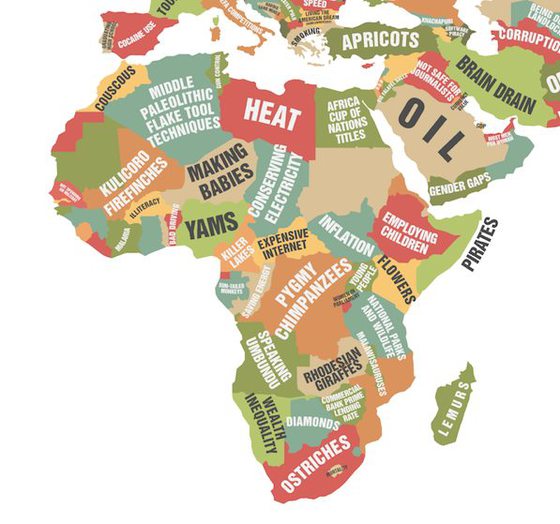
In a world of 195 countries, each nation has found its niche of excellence. From Switzerland’s snow-capped mountains to Brazil’s vibrant coasts, every territory has developed unique specialties that distinguish it from the rest. This is a journey through the world map of supremacy, where we explore what each country does better than all others.
Europe: The Continent of Precision and Innovation
Switzerland continues to be the global benchmark in multiple areas. For the third consecutive year, Switzerland holds the top spot in the U.S. News & World Report “Best Countries” ranking for 2024, particularly excelling in private banking, luxury watchmaking, and artisanal chocolate. Its banking system manages approximately one-third of the world’s offshore private wealth.
Iceland leads in energy sustainability and peace. Iceland tops the list of the 5 most peaceful countries in the world in 2024, and is a pioneer in geothermal energy use, with 99% of its electricity coming from renewable sources.
Denmark is the world champion of happiness and functional design. For years it has dominated well-being indices, while brands like LEGO have globally redefined creative children’s play.
Germany maintains its supremacy in automotive engineering and precision manufacturing. It’s home to brands like Mercedes-Benz, BMW, and Volkswagen, which have established global standards of quality and innovation.
France remains undisputed in gastronomy and luxury products. From champagne to haute couture, France has exported the concept of elegance and sophistication to the entire world.
Italy dominates in fashion design, traditional culinary arts, and cultural heritage. With more UNESCO World Heritage sites than any other country, Italy is the guardian of Western artistic heritage.
Netherlands leads in water management and agricultural innovation. Despite its small size, it’s the world’s second-largest agricultural products exporter after the United States.
Asia-Pacific: The Region of Technological Innovation
Japan jumped to second place in the best countries ranking, rising from sixth place last year, and maintains its leadership in cutting-edge technology, from robotics to mass transportation systems. The Shinkansen (bullet train) remains the gold standard of high-speed rail transport.
Singapore is the world capital of urban efficiency and Asian financial services. Its Changi Airport consistently ranks as the world’s best, and its port system is one of the most technologically advanced.
South Korea has revolutionized global entertainment with K-pop and K-dramas, while dominating the semiconductor and mobile technology industry through Samsung and LG.
India leads in information technology services and outsourcing, being the primary destination for software development worldwide. Its Bollywood film industry produces more movies annually than Hollywood.
China is undisputed in large-scale manufacturing and infrastructure construction. It controls approximately 30% of global manufacturing and has built more kilometers of high-speed rail than the rest of the world combined.
Australia dominates in raw materials exports, especially iron ore and coal, and has developed the most successful university education system in terms of attracting international students per capita.
North America: Technological and Cultural Powerhouse
United States reached its highest ranking in history in 2024, maintaining its supremacy in technological innovation, global entertainment, and scientific research. Silicon Valley remains the world epicenter of technology, while Hollywood defines global entertainment trends.
Canada leads in quality of life, multiculturalism, and natural resources. Its universal healthcare system and progressive immigration policies are models studied worldwide.
Latin America: Natural and Cultural Diversity
Brazil is the undisputed king of football and biodiversity. With five World Cups and the Amazon rainforest housing 10% of all known species on the planet, Brazil combines sporting passion with incomparable natural wealth.
Argentina dominates in beef production and wine, establishing global quality standards in both products.
Chile leads in copper exports and renewable energy development in Latin America, pioneering large-scale solar projects.
Costa Rica is the global benchmark in ecotourism and conservation, with 25% of its territory protected under some form of conservation.
Africa: The Continent of Emerging Potential
South Africa maintains its leadership in gold and diamond mining, controlling a significant portion of global precious metals production.
Kenya is a global leader in mobile payment innovation, with M-Pesa revolutionizing digital financial transactions in emerging markets.
Egypt remains the guardian of the world’s most important archaeological heritage, with the Giza pyramids maintaining their status as one of the planet’s most visited wonders.
Middle East: Energy and Tradition
Saudi Arabia dominates global oil production, controlling approximately 12% of the world’s proven oil reserves.
United Arab Emirates has become the global hub of luxury and commercial aviation, with Dubai as a connection point between Asia, Europe, and Africa.
Israel leads in technological innovation per capita, with the highest density of tech companies outside Silicon Valley.
The Small Giants
Some of the world’s smallest countries have managed to dominate specific niches impressively:
Monaco is the world capital of luxury casinos and motorsport events, with the Formula 1 Grand Prix being the most prestigious on the calendar.
Bhutan is a global pioneer in measuring “Gross National Happiness” instead of GDP, being the world’s only carbon-negative country.
Liechtenstein has the highest proportion of millionaires per capita in the world, specializing in private financial services.
The Dynamics of Global Leadership
Finland claims first place for the second time since 2021 in the Good Country Index, reaffirming its role as a global leader in contributing to worldwide well-being. This ranking evaluates how much each country contributes to the common good of humanity.
What’s fascinating about this map of excellences is how it reflects not only each country’s geographical advantages and natural resources, but also their historical decisions, investments in education, public policies, and business culture. Switzerland doesn’t dominate banking by chance, but through centuries of political stability and banking secrecy. Japan leads in technology because it invested massively in research and development after World War II.
The Future of Global Leadership
Middle-income Asian economies like China, India, Indonesia, and Turkey are advancing significantly in the Global Innovation Index 2024, suggesting that the map of global excellences is in constant evolution.
The world is experiencing a redistribution of power and influence. Countries traditionally dominant in certain areas are being challenged by emerging nations that have identified new opportunity niches or have leveraged previously underutilized competitive advantages.
The Global Symphony of Specialties
This global map of excellences reminds us that in our globalized era, true strength doesn’t come from trying to be the best at everything, but from identifying and perfecting those areas where a country can truly excel. From Swiss watches to Indian software, from Brazilian football to Israeli innovation, each country contributes its unique note to the grand symphony of human civilization.
The beauty of this diversity lies in creating an interconnected world where each nation has something valuable to offer, generating interdependence that, at its best, can promote cooperation and mutual understanding. In this map of excellences, there are no losers, only specialists waiting to be discovered and valued for their unique contributions to humanity’s common heritage.